Running fixes what junk food breaks in the brain
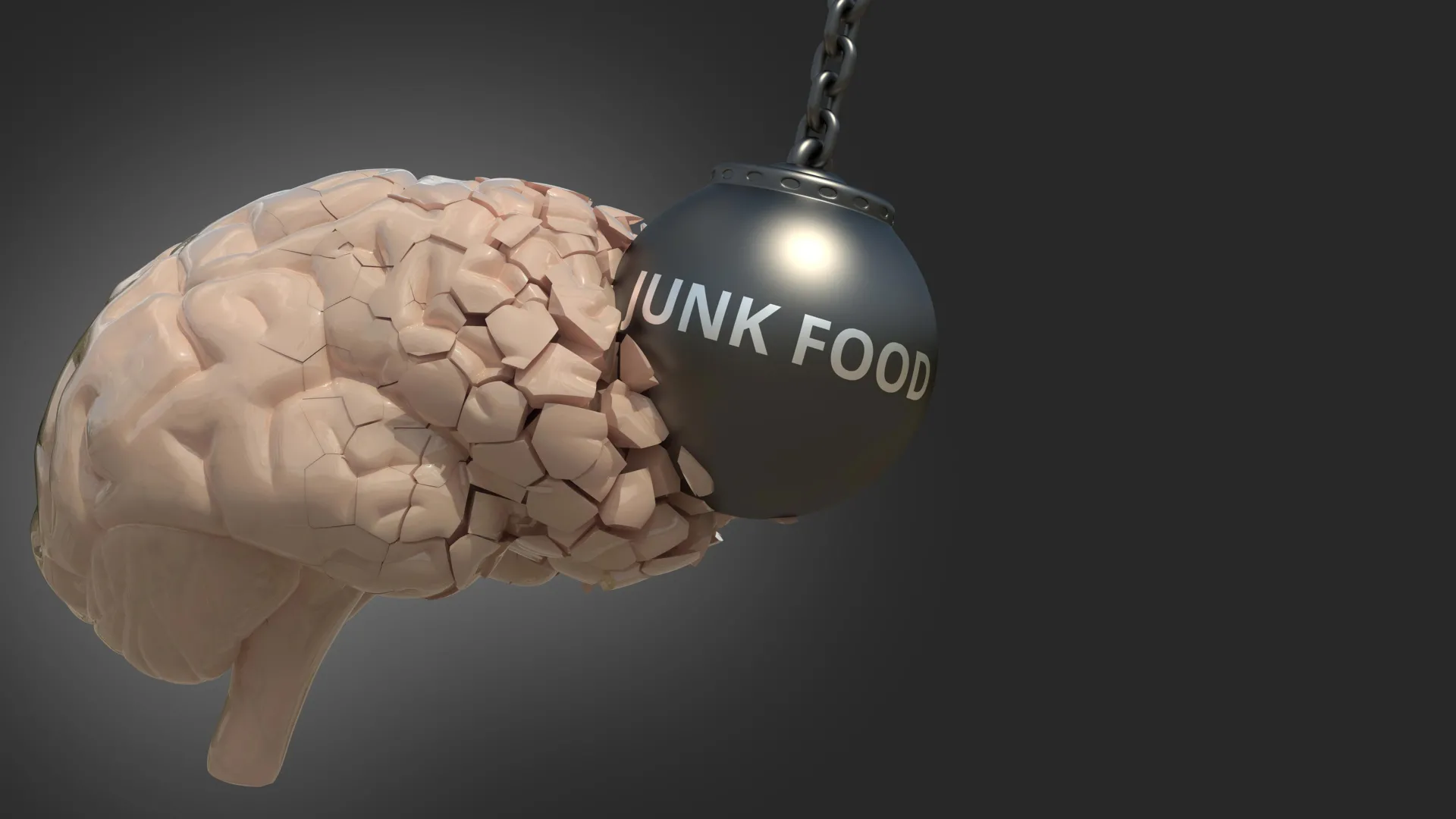
Researchers at University College Cork, led by Professor Yvonne Nolan, have uncovered the specific metabolic processes that explain how exercise helps offset the harmful behavioral effects of eating a Western-style cafeteria diet. Published on October 21 in the peer-reviewed journal Brain Medicine, the study shows that voluntary running can reduce depression-like behaviors triggered by diets … Read more

This everyday vitamin could be the closest thing we have to an “anti-aging pill”

A new review suggests that vitamin D supplements may help protect the ends of our chromosomes, known as telomeres, which play a vital role in slowing the aging process. This finding has raised hopes that the “sunshine vitamin” could support longer-lasting health. Researchers found that taking 2,000 IU (international units, a standard measure for vitamins) … Read more

A “toxic duo” may be the hidden trigger behind Alzheimer’s disease

For decades, scientists have known that Alzheimer’s disease is marked by sticky plaques and tangled proteins in the brain. In recent years, research has also shown that the brain’s blood vessels play an important role in how the disease develops. Yet despite decades of progress, this deeper understanding has not led to fully effective treatments. … Read more

Bad Gums Tied to Big Brain Risks

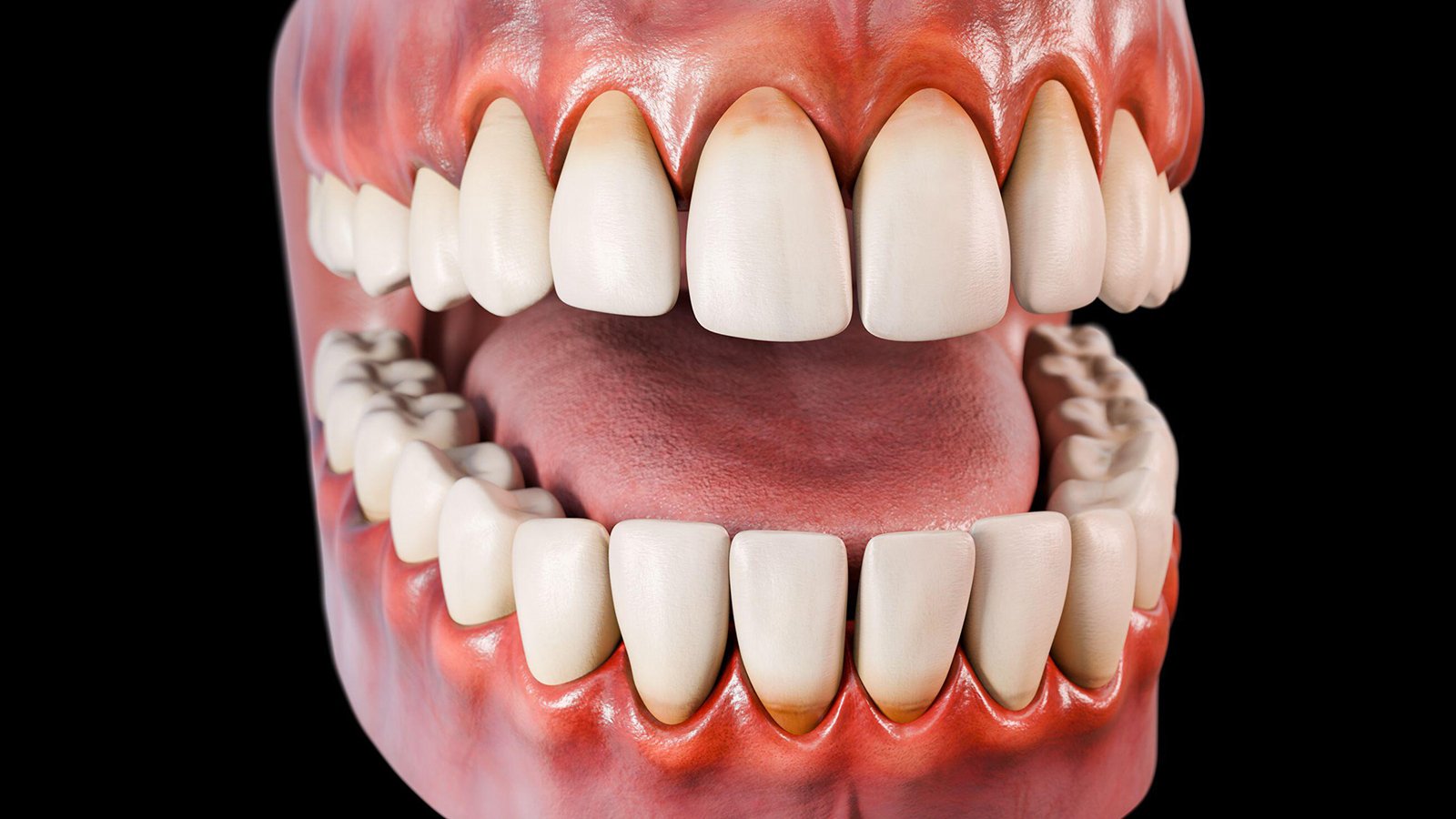
(MedPage Today) — Gum disease was linked with white matter hyperintensities, an imaging marker of cerebral small vessel disease, data from the Atherosclerosis Risk in Communities (ARIC) cohort showed. Among 1,143 ARIC participants, periodontal…

Stanford’s tiny eye chip helps the blind see again

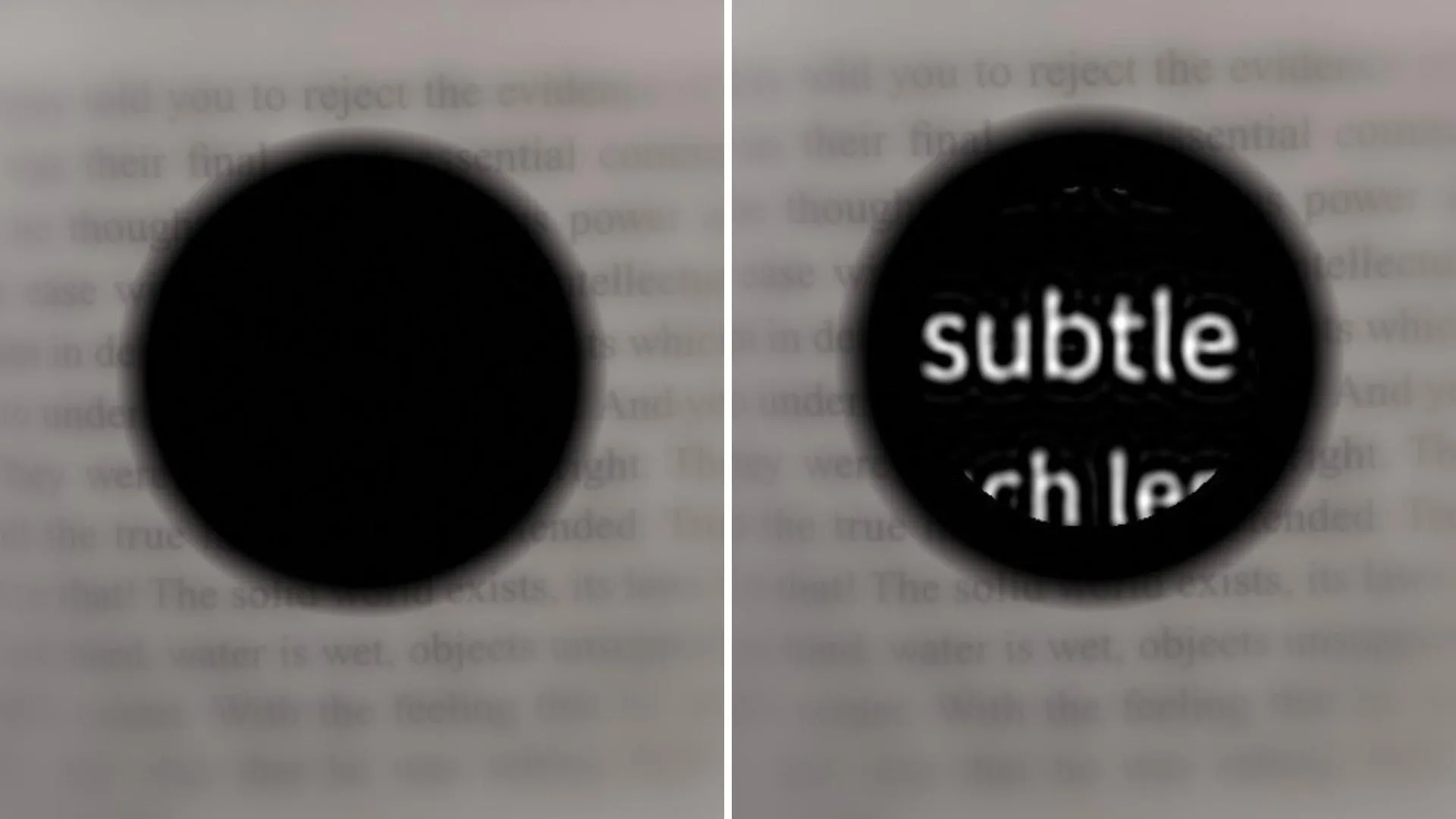
A tiny wireless chip placed at the back of the eye, combined with a pair of advanced smart glasses, has partially restored vision to people suffering from an advanced form of age-related macular degeneration. In a clinical study led by Stanford Medicine and international collaborators, 27 of the 32 participants regained the ability to read … Read more

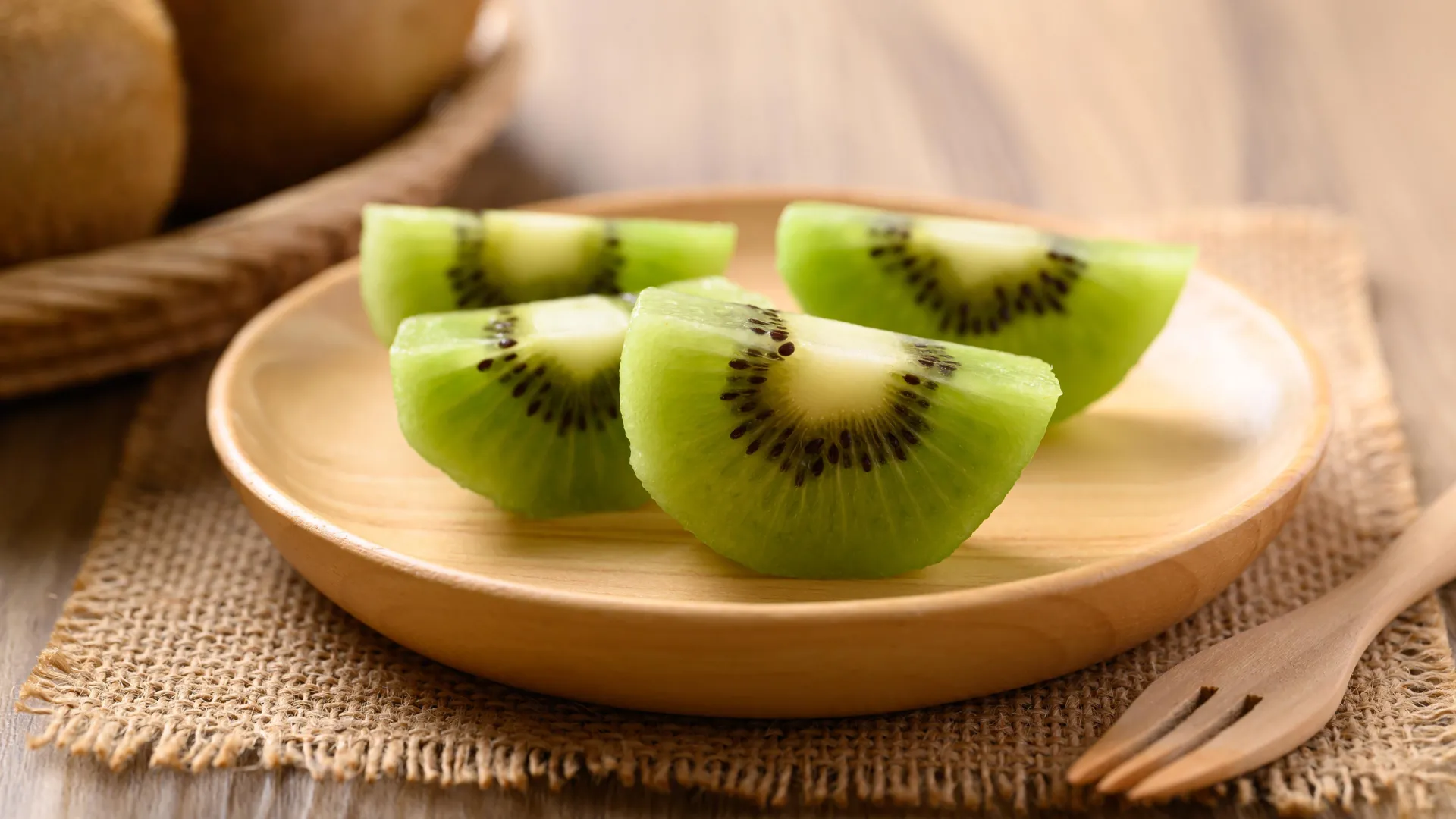
Forget fiber. Science just found the foods that really help constipation

Kiwifruit, rye bread, and mineral-rich water may help reduce the discomfort of chronic constipation, according to new evidence-based dietary guidelines developed by researchers at King’s College London. The team’s work represents the first comprehensive, evidence-supported dietary recommendations specifically for adults living with long-term constipation. The research also found that supplements such as psyllium fiber, certain … Read more